





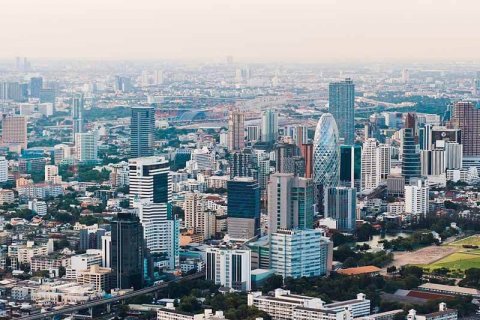
The decision of which city is best to buy an apartment in Thailand depends directly on your goal. If you are buying real estate as an investment, choose popular tourist areas near the sea, as well as central areas of Bangkok. Here real estate is liquid and high rental rates ensure a quick return on investment.
Content:
- Where it is better to buy real estate in Thailand
- The cities in numbers: price per m² and yield
- Is it profitable to rent out real estate in Thailand?
- Is it worth buying property in Thailand?
- What changed by 2026
- Let us help you become a property owner in Thailand
- Frequently asked questions
If you need a residence to use personally and prefer a spacious lifestyle surrounded by picturesque nature, consider the islands of Phuket and Samui, as well as small coastal towns.
Among the many advantages of buying real estate in Thailand are:
- Attractive prices compared to similar properties in the UAE, European countries, and the USA.
- Modern layouts and high-quality construction in convenient residential complexes.
- Comfortable living conditions: warm climate, proximity to the sea, and friendly attitude of the local population towards foreigners.
- Beautiful nature with tropical forests, waterfalls, caves, cliffs, and uninhabited islands.
- Ideal conditions to practice water sports.
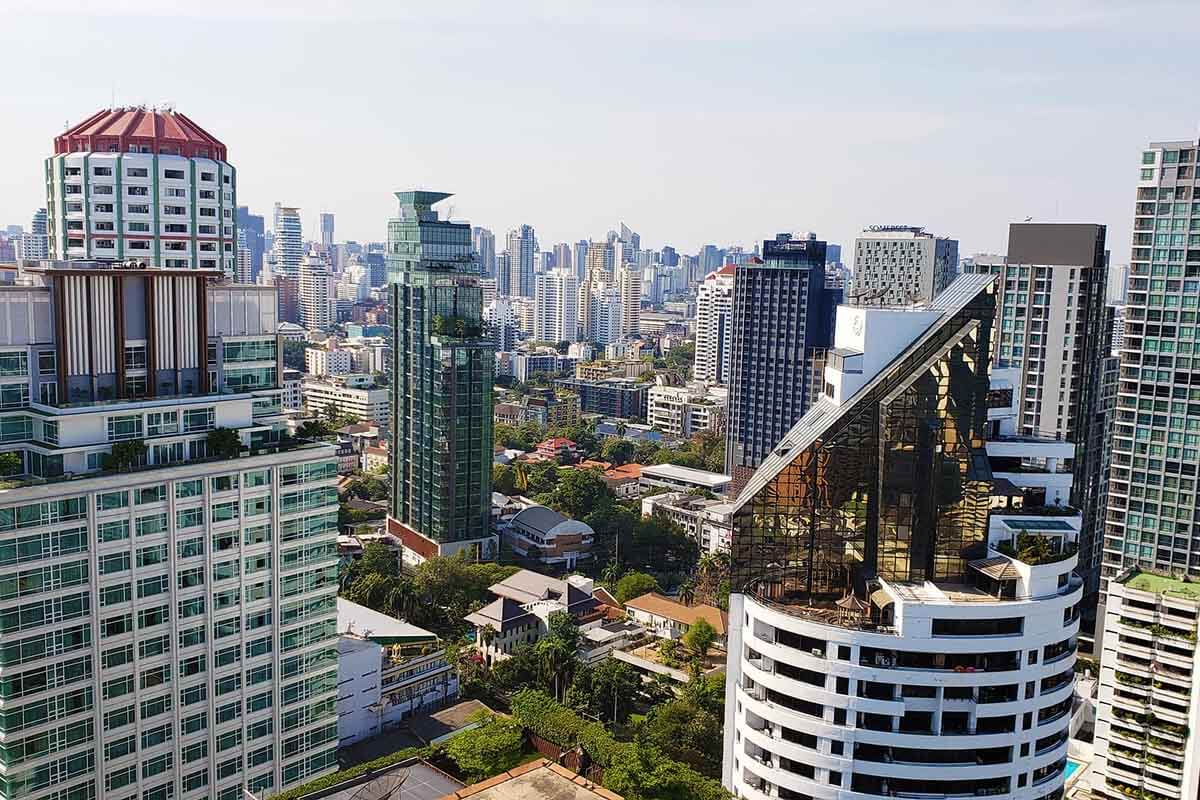
Where it is better to buy real estate in Thailand
Traditionally, the best cities in Thailand to buy real estate are popular resort areas such as Phuket, Pattaya, Samui and others. The main advantage of living in these cities is the opportunity to visit sandy beaches with recreational facilities, picturesque tropical forests and natural parks with rich fauna and flora. Resort areas have well-developed infrastructure, and you can find many shops, restaurants and cafes catering to foreign tourists and expatriates.
The only drawback to such housing is its higher cost compared to similar properties located further from the sea. Price growth, however, is no longer nationwide: resort locations with tight supply keep appreciating, while Bangkok has built more new units than the market absorbs and prices there are flat.
Today, buyers in new developments can save a significant amount by entering into a contract with the developer during the construction phase. The old rule of "10–15% a year" is no longer universal: it holds in scarce resort locations and does not in the capital’s mass market. Yield should be calculated for the specific project rather than for the country.
A popular place to buy real estate is the capital city of Bangkok. It is a modern and bustling metropolis with a population of approximately 5.4 million people. It is home to large shopping malls, offices of international companies, and a well-developed public transportation system.
Many Thais come to the capital to work, so there is always a high demand over properties. Buying apartments in Bangkok is interesting to both investors and those who plan to conduct business or work in one of the local companies.
When it comes to where it is best to live in Bangkok, a modern apartment with amenities in a residential complex is considered the optimal option. 1 and 2 bedrooms are most in demand. Apartments in the city center and near infrastructure objects (shopping and business centers, bus stations, schools, etc.) are more expensive.
Where is the best place to live in Thailand?
Traditionally, the best cities in Thailand considered for relocation among foreigners are Pattaya and Phuket. It is in these regions that the majority of expatriates are concentrated. Less popular among foreigners but equally attractive with living are the island of Samui and the cities of Hua Hin and Krabi. Let's take a closer look at these regions.
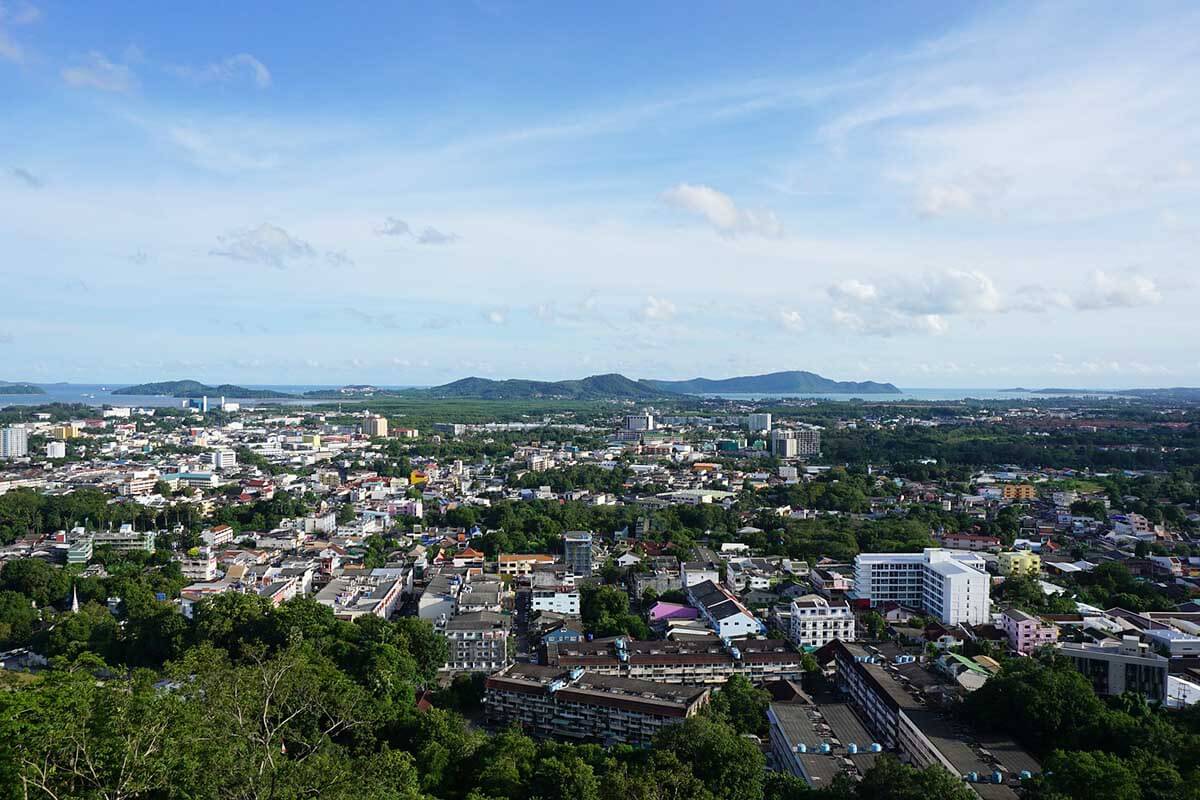
Phuket is a large island known to be a beautiful tropical forests and stunning sandy beaches, ideal to practice surfing and other water activities. Phuket has an international airport as well as several golf clubs and natural national parks. Buyers can choose from a variety of housing options, from small studios in condominiums to luxurious oceanfront villas.
To understand where it is best to live in Phuket, it is worth coming to the island and studying the pros and cons of different locations. There are completely secluded micro-districts near the forest, as well as communities with well-developed infrastructure, where schools, kindergartens, markets, and shopping centers are within walking distance.
Among wealthy foreigners, the west coast of Phuket is the most popular. Here you will find famous sandy beaches and many elite hotels and condominiums. The area has cafes, supermarkets, golf clubs, surf schools, and traditional Thai markets selling clothing, household goods, handicrafts, fresh fruit, fish, meat, seafood, and convenience foods.
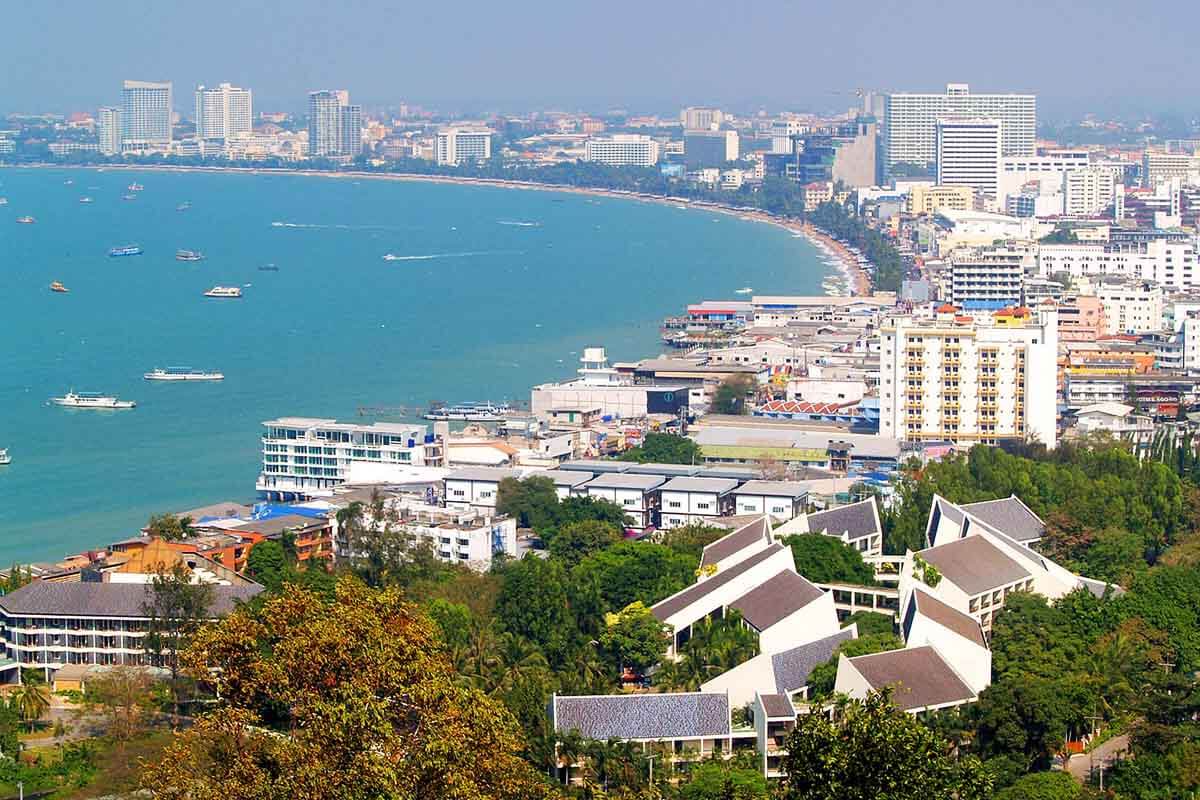
The resort town of Pattaya is a popular destination among expatriates. The infrastructure here is well developed: there are schools, kindergartens, shopping centers, markets, and sandy beaches with plenty of recreational opportunities. If you are wondering where best to live in Pattaya, consider the options such as apartments in modern condominium complexes. Such apartments are of high quality and have convenient layouts. The presence of amenities such as a pool, gym, restaurant, and other facilities ensures comfortable living for residents.
Hua Hin is a town located on the west coast of the Gulf of Siam. It is not the most famous place, which means there are not many tourists here. The quiet seaside location attracts people who appreciate a peaceful life surrounded by nature. Hua Hin has good beaches, shopping centers, schools, medical facilities, the Royal Hua Hin Golf Course, various restaurants, cafes, and several Buddhist temples.
Krabi is a city and the center of the province of the same name located on the southwest coast of the country. The region is known with its unique nature with sheer cliffs, mangrove thickets and numerous coastal islands. Krabi is popular with divers and rock climbers.
Samui is a remote island with beautiful beaches, tropical forests, and the famous Big Buddha Temple. It is not as popular as Phuket and the infrastructure is not as developed. However, it is an excellent choice for those interested in a quiet and secluded place to live comfortably.
The cities in numbers: price per m² and yield
Descriptions of districts help you pick a mood, but the decision comes down to two figures: what a square metre costs and what the rent brings in. This is how the cities look in 2026.
| City | Price per m² | Gross yield | Who it suits |
|---|---|---|---|
| Bangkok | about THB 200,000 ($6,040) in the centre, up to 315,000 in premium projects | 5.2–6.2%, and 3.8–5.2% in prime districts | Those working or running a business in the capital; currently a buyer’s market |
| Phuket | median about THB 144,000 ($4,350), mass segment THB 70,000–120,000 | 7–8.4%: long-term letting 5–7%, daily letting 7–11% | Investors in resort rentals and those moving to the sea for the long haul |
| Pattaya | THB 67,000–75,000 ($2,020–2,265), THB 100,000–150,000 by the sea | 6–7.5% | Those who want a cheaper entry point and a Russian-speaking community |
| Samui, Hua Hin, Krabi | below Phuket, supply is limited | depends on the season and the project | Those looking for quiet and prepared for lower liquidity |
The gap between Bangkok and Pattaya per square metre is close to threefold, and it explains the difference in yield: a cheap entry raises the percentage, but such housing also appreciates more slowly. Every figure in the table is gross, before costs: maintenance contributions, the management company, taxes and void periods take another 1.5 to 2.5 percentage points.
"Clients often pick a city from photographs and work out the yield afterwards. It works better the other way round: decide first what the purchase is for — living, letting or preserving capital — and look at cities through that lens. Phuket and Pattaya solve different problems and behave differently on resale."
— a Thai property market analyst
Is it profitable to rent out real estate in Thailand?
Investing in property in Thailand is a good way to protect funds from inflation and generate passive income. In resort regions gross yields reach 8.4% a year and run at about 6.5% nationwide — above a bank deposit, but noticeably below the "up to 10%" often quoted in advertising. The country's warm climate maintains a high demand in rental apartments and villas throughout the year.
When considering the profitability of renting in Thailand, the most straightforward and profitable option is studios and apartments. Such accommodations are in high demand by a large category of tourists. In addition, investors can contract with a real estate management company to handle all aspects of renting out the apartment: finding tenants, preparing the condominium to move-in, technical maintenance of the apartments, and more.
Some apartment complexes are built initially to be rented out. They usually include hotel services and additional amenities such as pools, spa centers, restaurants, gyms, etc.
When an investment asset is sold, the management company or developer offers the buyer a contract. According to this document, the company undertakes to manage the real estate and receives compensation, while the owner receives a certain profit.
Investors often receive a fixed income of 5–7% per year. The remaining profit is used to pay the company's services. There are other ways to distribute the income among the owners. It is worth understanding what backs such a guarantee: not the market, but the developer or the management company, and it rests on their finances. The programme is usually promised for the first three to five years, and its cost is already built into the price of the unit. Before signing, look at the company’s accounts and at the terms for leaving the programme. This type of investment is very convenient for foreigners who see the apartment as an asset but do not plan to live permanently in the Kingdom.
Luxury villas are a more expensive but also commonly used asset for rental business. In modern residential communities, homes have functional layouts, stylish finishes, panoramic windows, pools, and other amenities. Villas are popular with families with children and affluent tourists who prefer to vacation in maximum comfort.
If you are deciding where to buy a house to rent it out, consider the island of Phuket. Today, there are several new low-rise residential complexes with villas and townhouses under construction. These projects are located in prestigious areas with good infrastructure. While the development is under construction, buyers have the opportunity to purchase a home on an installment plan directly from the developer. Just keep the 30-day rule in mind: letting a property for a shorter term without a hotel licence is prohibited, and listings on booking platforms are checked against the licence register.
Is it worth buying property in Thailand?
Foreigners face certain restrictions when buying real estate in Thailand. As an example, ownership of an apartment can only be obtained in certain condominium complexes, usually referred to as condominiums. In addition, foreigners cannot own more than 49% of the building’s total residential floor area — the quota counts square metres, not the number of units.
Leasehold apartments are also available. This type of property is not sold into private ownership. The buyer acquires the right to long-term possession. The standard term is 30 years. Such contracts used to be sold with a promise of two further 30-year renewals, but in March 2025 the Supreme Court ruled the "30+30+30" structure a circumvention of the law: the maximum lease term under the code is 30 years, and that is what you should count on. Leasehold properties are sold at a lower price than condominiums.
The situation with buying villas in Thailand is directly related to land ownership. Today, a foreigner cannot acquire land for a residential house in private ownership. Land is only granted to long-term use (leasehold). If you buy a villa from a developer, he will offer you the right to use the land for 30 years. A promise to extend it twice more carries no legal weight, and a lease longer than three years must be registered with the Department of Lands — an unregistered one is enforceable for three years only. Leasehold properties, like freehold properties, can be rented out, sold, and inherited.
The Thai economy is showing stable growth and inflation is within acceptable levels. The housing market, though, is uneven: resort locations are appreciating, the capital’s mass market is flat, and foreign transactions fell 17.3% in the first quarter of 2026. This is a market where picking the right property wins, not betting on the country as a whole.
What changed by 2026
- In March 2025 the Supreme Court closed the "30+30+30" structure: only the first 30 years of a leasehold are reliable.
- The market has split by region: Phuket keeps appreciating while Bangkok digests its supply of new units.
- Since 1 October 2025 buying completed housing from THB 3 million gives grounds for a long-stay visa.
- Daily letting without a hotel licence is fined, and listings are cross-checked against the licence register.
- From 2026 the land and building tax is charged in full again.
Let us help you become a property owner in Thailand
You can find suitable houses and apartments in Thailand with the help of our website. We collect offers from verified developers and agencies in one catalog. This way you will be informed about new offers on the market, and you will be able to compare costs and technical parameters of similar properties from different sellers. This allows you to select properties with the best price-quality ratio.
To provide you convenience, there are filters in the search that will help you quickly select only the offers you are interested in, based on cost, property type, location, total area, and many other parameters.
Prices on the website can be viewed in various currencies. As to those focused on buying property from a specific developer or agency, there are separate catalogs with listings from the preferred company. Any questions regarding property selection can be directed to our specialist using the feedback form.
Frequently asked questions
Which city is more profitable for letting?
Phuket: about 7 to 8.4% gross against 6 to 7.5% in Pattaya and 5.2 to 6.2% in Bangkok. Entry on the island costs more, though, so payback in absolute money can end up similar.
Where is the cheapest entry into the market?
Pattaya: a square metre costs THB 67,000–75,000 against roughly 200,000 in central Bangkok.
Can I buy a house with land?
Land cannot be registered to a foreigner. A house comes with a 30-year lease of the land, or you choose a condominium unit where ownership is full.
Is property in Thailand appreciating?
Unevenly. Resort locations with limited supply keep rising, while the capital’s mass market is flat because of the overhang of new units.
Which city suits a family relocation?
Usually Phuket or Pattaya: international schools, private clinics and an expat community. Samui, Hua Hin and Krabi are quieter but the housing there is less liquid.