






News and articles
-

Land, and the house standing on it, cannot be registered to a foreigner in Thailand. The workaround on offer is a Thai company: 51% of the shares go to Thai nationals, 49% stays with the foreign buyer, the company buys the property, and the foreigner becomes a director and runs it. The arrangement is sold as lawful, and in form the law does not...
Read more -

A foreigner may buy a condominium unit in Thailand and hold it outright, but not in every building. The law allows foreign buyers to own no more than 49% of the combined floor area of all units in a registered building. Once foreign owners have taken up that share in full, the next buyer will not have freehold registered in their name. The sale...
Read more -
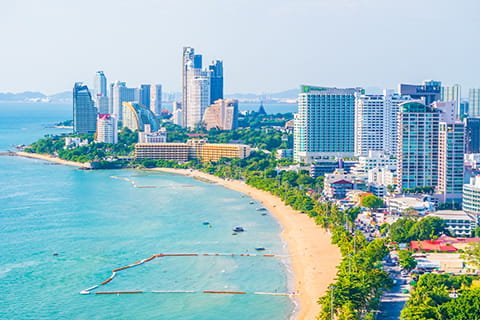
Ownership of property in Thailand does not arise when the contract is signed, nor when the last payment clears, but on the day both parties attend the local Land Office and the transfer is entered on the title document. It takes between one and three hours, and sometimes the whole day. This is where every loose end from months of preparation comes...
Read more -

A long lease is the most common way a foreigner ends up with a home in Thailand when full ownership is out of reach. It is known as leasehold, and until recently it was sold as a 90-year arrangement: a 30-year contract plus two promised renewals of the same length. The scheme went by the name "30+30+30", and marketing material presented it as...
Read more -

A foreigner may sell property in Thailand without any special permission: the restrictions in this country apply to buying, not to leaving. The difficulties lie elsewhere. The pool of buyers for a freehold unit is narrower than it looks, a seller's costs can reach a tenth of the price, and the proceeds cannot be sent abroad without a document...
Read more -
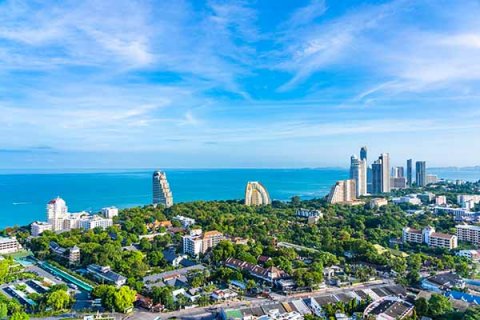
Thailand remains one of the most affordable destinations both for a holiday and for buying a home. The market returned to normal long ago: pandemic-era restrictions have gone, buyers travel freely for viewings, and part of the transactions are handled remotely. In this article we go into detail about how real estate transactions work in Thailand,...
Read more -

30 June 2026 marks the expiry of a temporary relief measure that significantly reduced the cost of completing property transactions in Thailand. Since 22 April 2025, properties valued at up to 7 million baht have been subject to a nominal rate of 0.01% on two key fees: transfer fee — 0.01% instead of the standard 2%; mortgage registration fee —...
Read more -
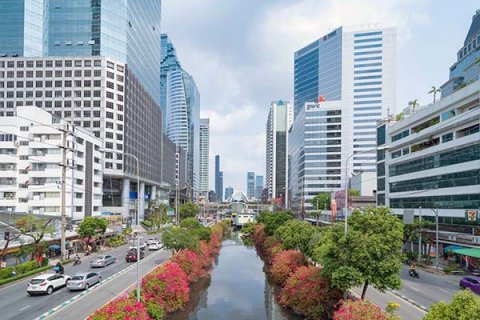
Maintaining property in Thailand is an important aspect for investors seeking to preserve and increase the value of their assets. Key points related to managing and servicing a home are worth considering while you are still choosing what to buy. Thailand has both independent landlords and professional management companies offering a wide range of...
Read more -
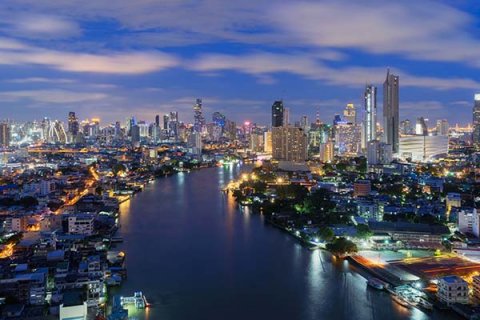
The real estate market in Phuket started 2024 on a promising note. In the first quarter alone, the island welcomed over 3.6 million visitors, a 30% increase compared to the previous year. Local authorities project that tourism revenue this year will exceed USD 12 billion, a remarkable figure for such a small island. A significant portion of this...
Read more -

Choosing the right location is key to a successful purchase of property in Thailand. For foreigners planning to buy real estate in Thailand, it’s essential to assess the prospects of popular areas based on factors such as infrastructure, transportation accessibility, safety and tourism potential. Traditionally, Bangkok, Phuket, Chiang Mai and...
Read more